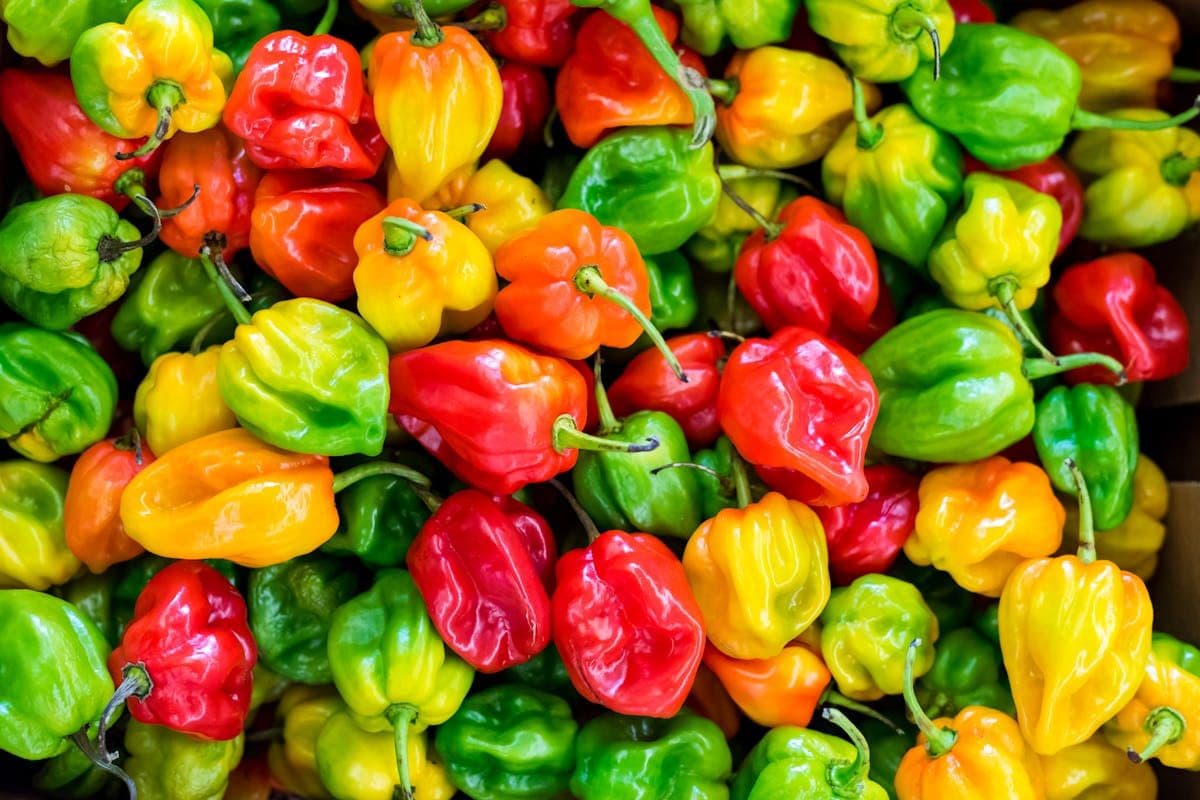
How to Build Your Heat Tolerance (Without Suffering)
Some people can eat ghost peppers like candy. Others break a sweat over a mild salsa. The difference isn't genetics, mostly. It's exposure. Your body's response to capsaicin is mediated by TRPV1 receptors on your nerve endings, and those receptors adapt with regular stimulation. The more consistently you eat spicy food, the less intensely those receptors fire. You can train this.
Start Where You Are
The biggest mistake people make is jumping straight to the hottest thing they can find. That's not training, that's punishment. If you're currently comfortable with mild salsa, start adding a few drops of a medium hot sauce to your meals. Tabasco or a basic cayenne sauce is a good entry point, around 2,000 to 5,000 SHU. Eat it daily. Not in heroic quantities. Just enough that you feel the warmth without dreading the meal.
After a week or two of consistent exposure, that same sauce will feel noticeably less intense. That's desensitization happening in real time. Your TRPV1 receptors are literally becoming less responsive to capsaicin. Now you can step up to the next level.
The Ladder Approach
Think of heat levels like a ladder. Spend enough time on each rung that it feels comfortable, then move up one step. Here's a rough progression:
- Level 1: Mild (Tabasco, Frank's RedHot, banana peppers). 1,000-5,000 SHU.
- Level 2: Medium (Sriracha, serrano peppers, chipotle). 5,000-25,000 SHU.
- Level 3: Hot (fresh cayenne, standard habanero sauces). 25,000-100,000 SHU.
- Level 4: Very Hot (Scotch Bonnet, ghost pepper sauces). 100,000-500,000 SHU.
- Level 5: Extreme (Carolina Reaper, Pepper X). 1,000,000+ SHU.
Most people who say they "can't handle spice" are actually stuck at Level 1 because they never eat spicy food consistently enough to adapt. Two weeks of daily exposure at any level will produce a noticeable shift.
Foods That Help
When the heat gets uncomfortable, reach for dairy. Casein, the protein in milk, yogurt, and cheese, physically binds to capsaicin molecules and washes them off your receptors. Water does nothing. Bread helps a little by absorbing capsaicin. Rice works similarly. Beer is a terrible choice because alcohol dissolves capsaicin and spreads it around your mouth.
Eating fat alongside spicy food also helps. The capsaicin molecule is lipophilic, meaning it dissolves in fat. A spoonful of sour cream, a slice of avocado, or a drizzle of olive oil will blunt the burn more effectively than any amount of water.
Consistency Is Everything
The key word is daily. Eating something extremely spicy once a month doesn't build tolerance. Eating something moderately spicy every single day does. Put hot sauce on your morning eggs. Add a few dashes to your lunch. Keep a bottle at your desk. Within a month, you'll be reaching for hotter options because your current bottle doesn't do it for you anymore. That's when it gets fun.